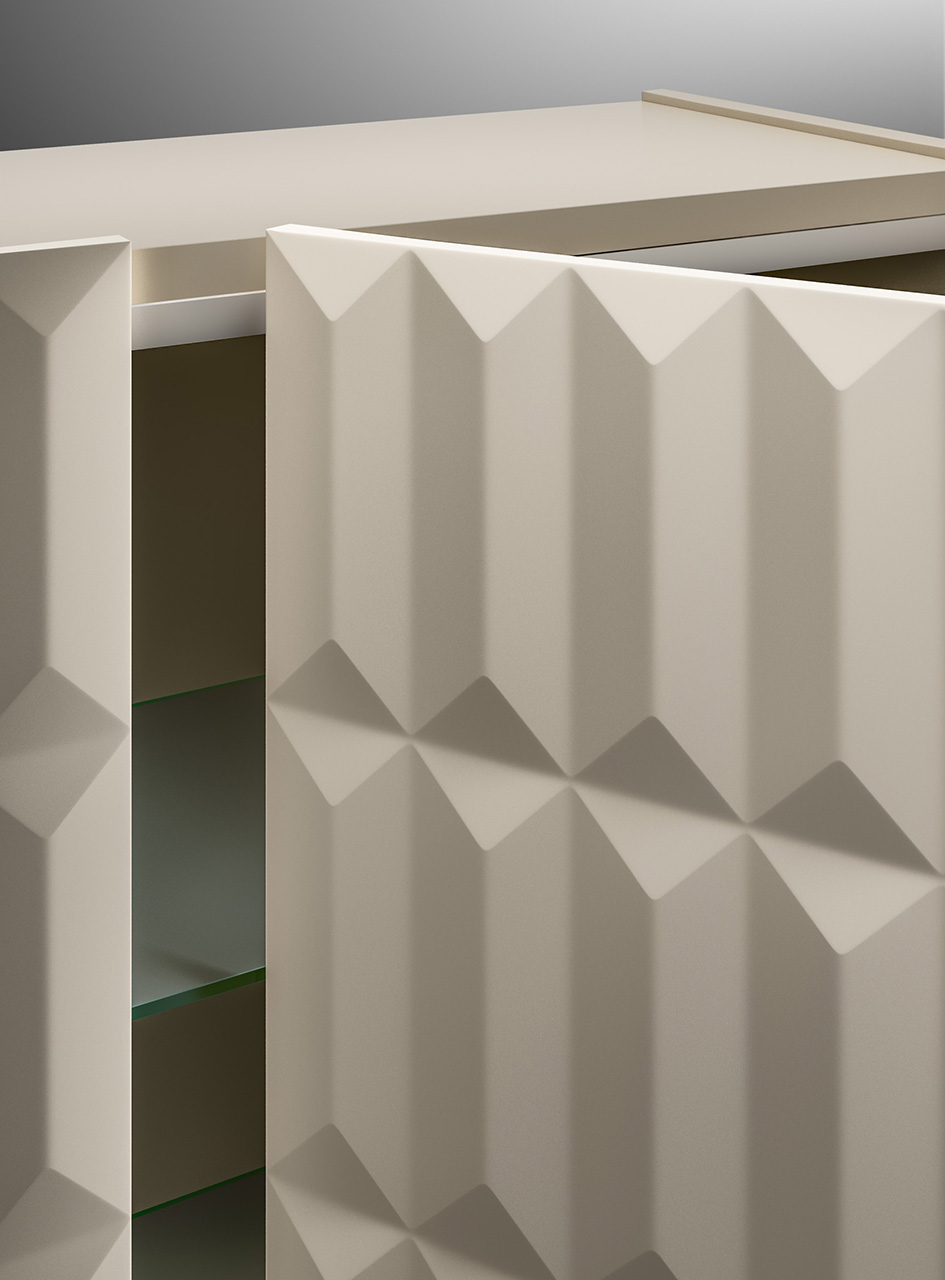
10 years of Aero and Aero Bar
— Surface, gesture, and project continuity within the Capod’opera language.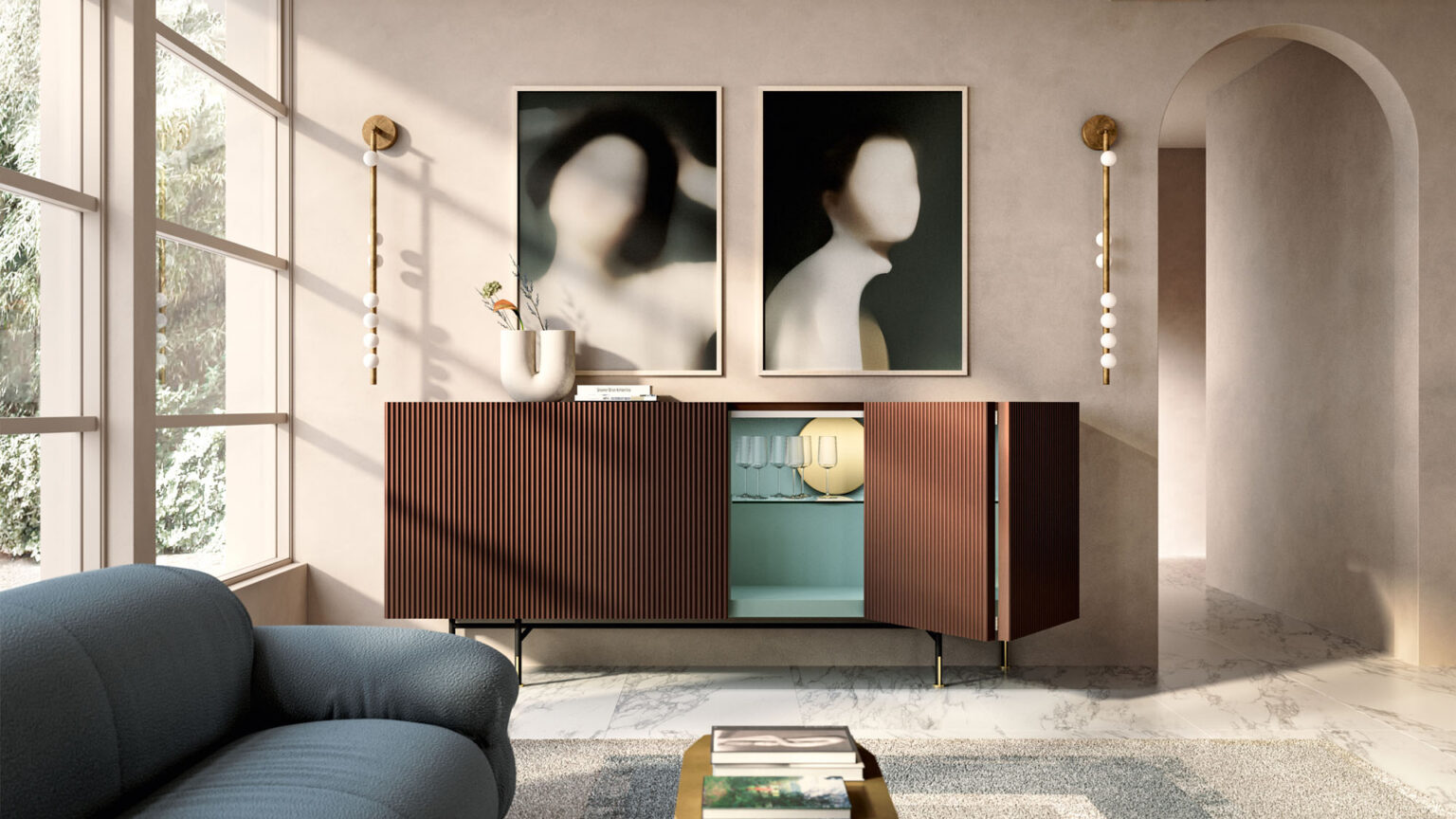
Ten years after its debut, Aero and Aero Bar represent one of the most recognizable research paths developed by Capod’opera on the theme of Texture as a structural element of the project. A collection that has remained faithful to its formal identity, capable of enduring over time.
Together with Alessio Bassan, we retraced the key stages of this project, between initial intuitions, radical choices, and a vision that remains relevant today.
-
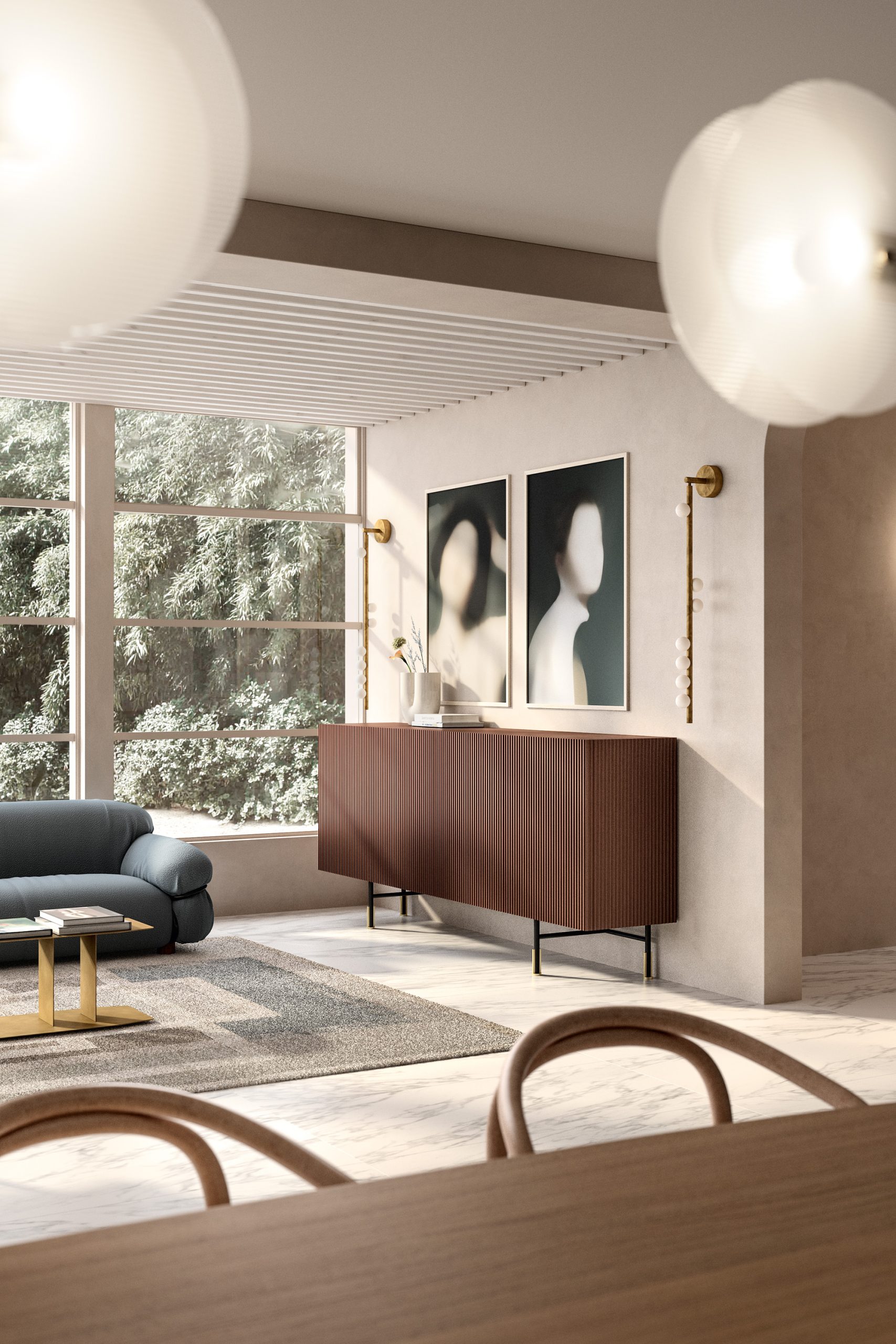 Aero, Cabinets & Sideboard
 -
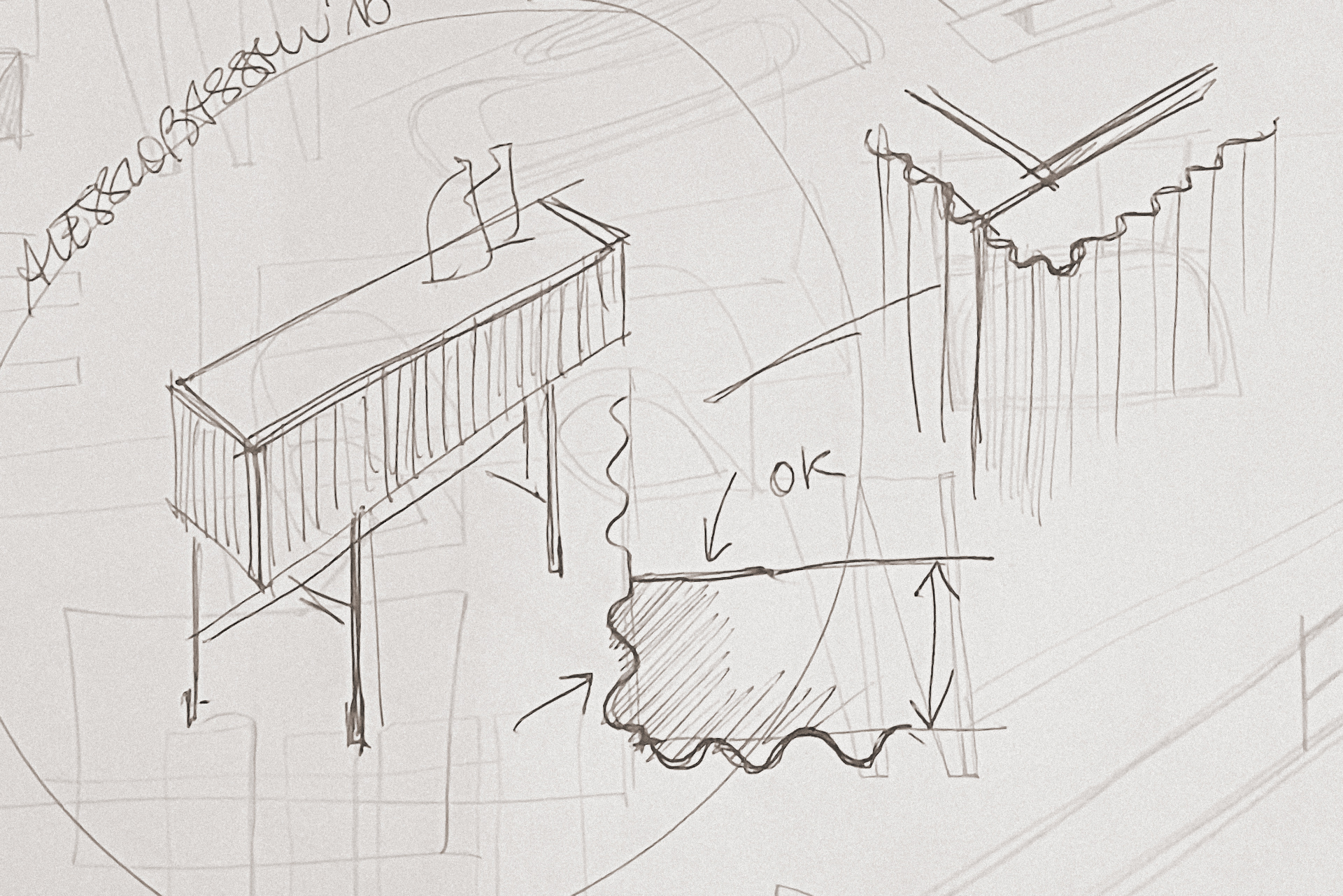 Original sketch by Alessio Bassan
 -
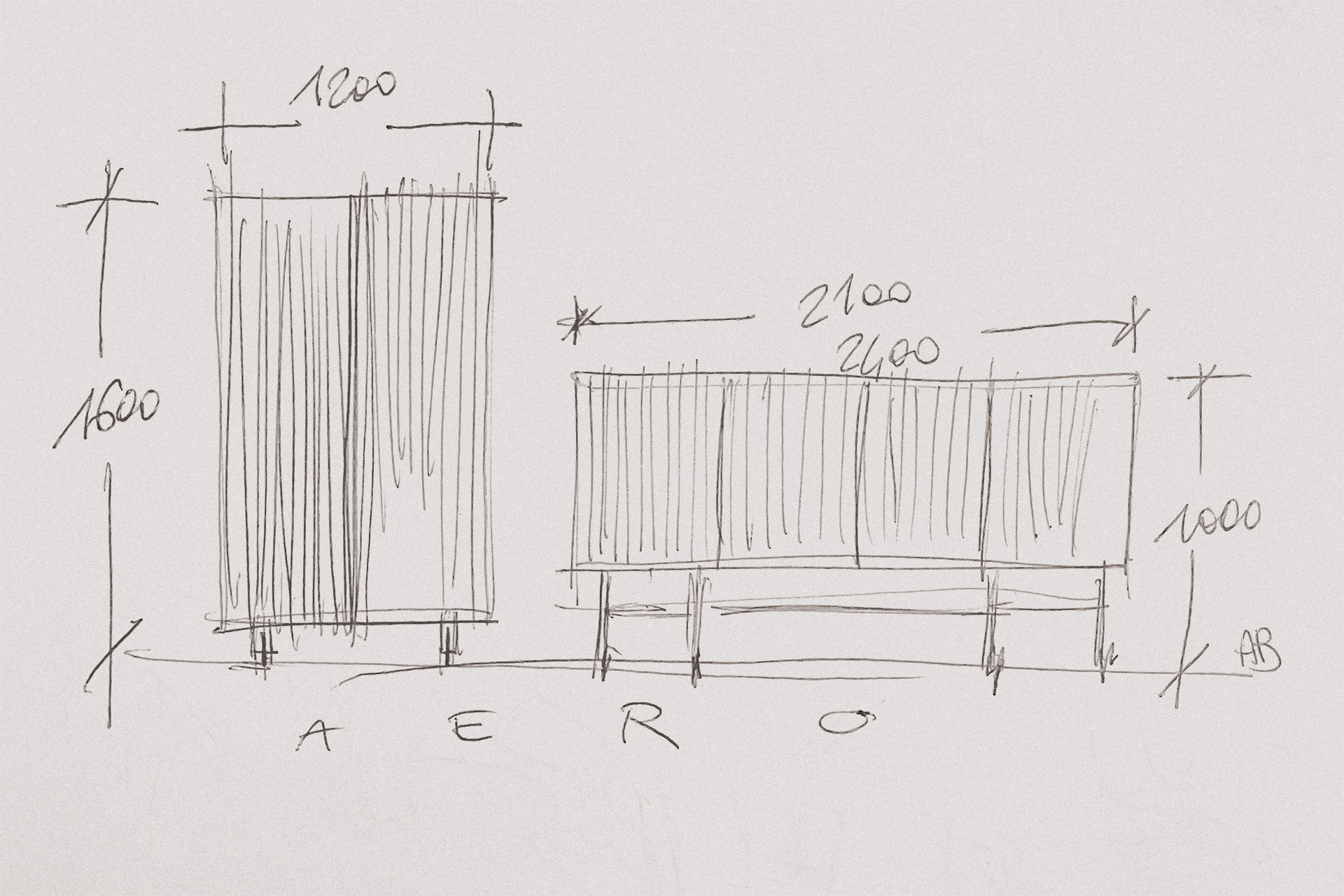 Original sketch by Alessio Bassan
 -
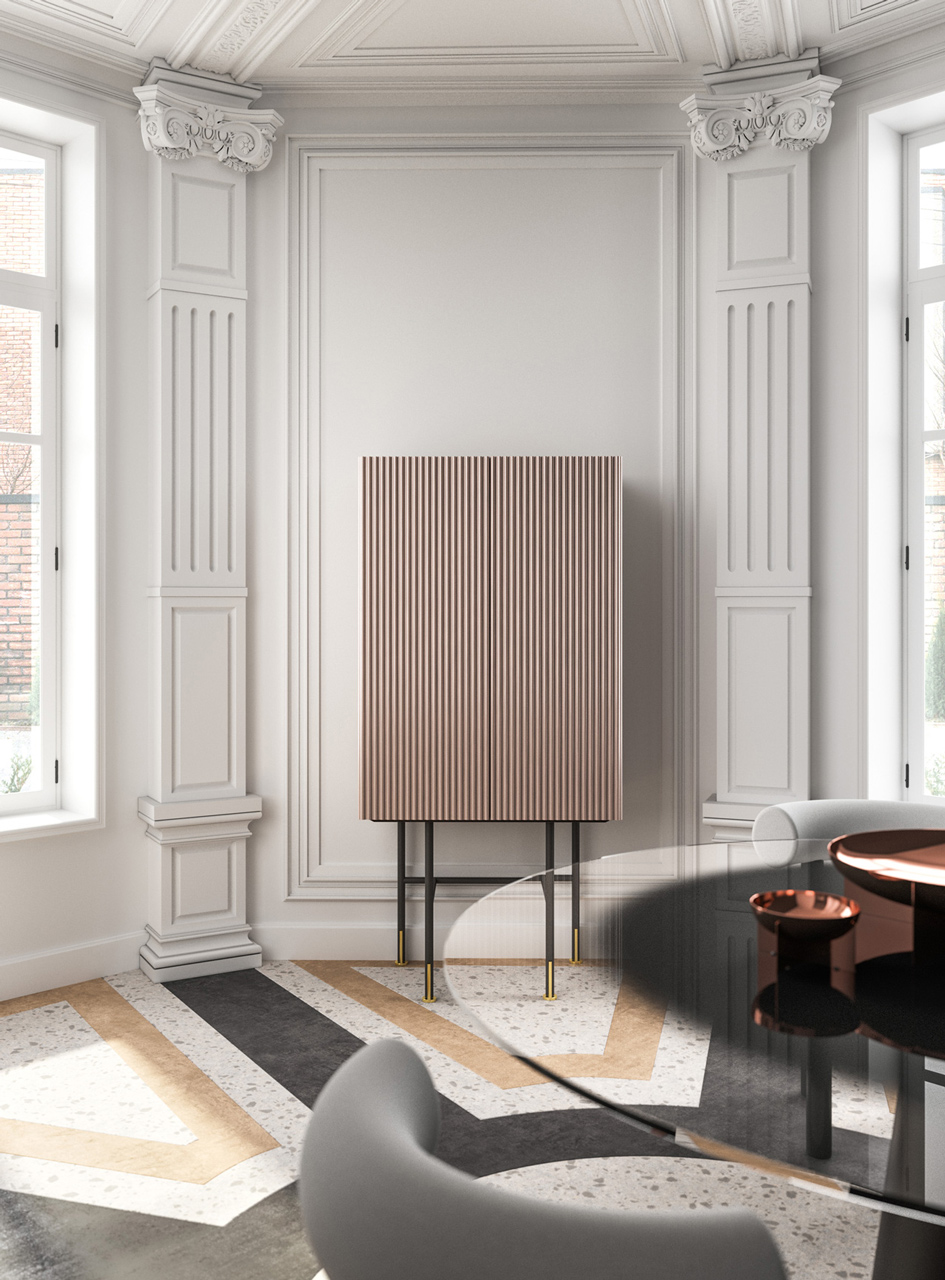 Aero Bar, Cabinets & Sideboard
 -
 Aero Bar, Cabinets & Sideboard
 -
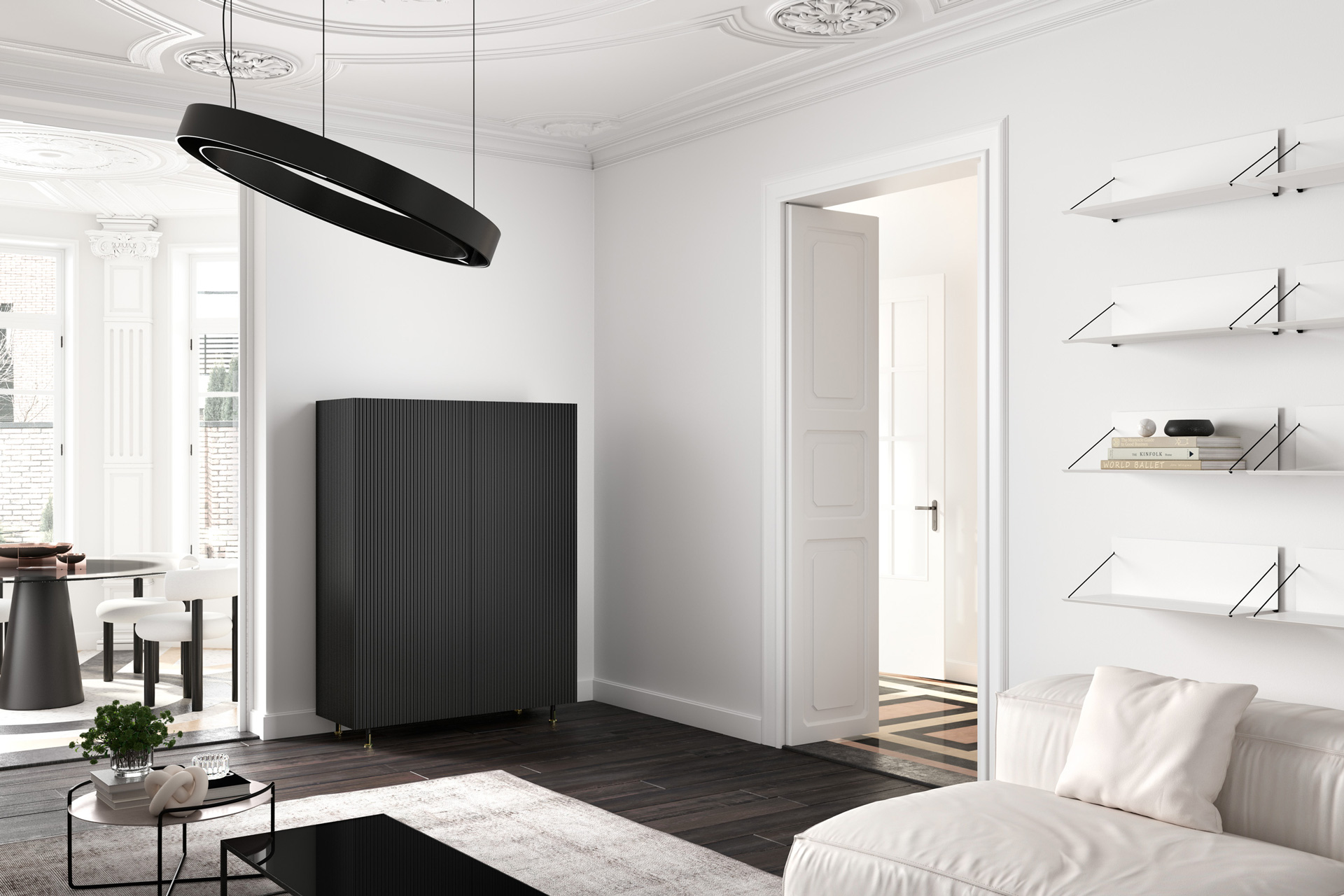 Aero, Cabinets & Sideboard
 -
 Aero, Cabinets & Sideboard
What do you think was the key quality that allowed Aero to emerge as a recognizable product for Capod’opera?
When I first presented Aero, I was aware of its expressive potential. At that time, Capod’opera and I were working toward products with a strong identity, clearly recognizable and built with great attention to execution quality.
In Aero, this research translated into a decisive choice. A single, highly characterizing Texture, obtained through a milling process designed to work with chiaroscuro and surface depth. Capod’opera’s contribution was fundamental in transforming this intuition into a complete product, thanks to the care devoted to the details that distinguish it.
When you imagined Aero, did you have a specific context of use in mind, or did you see it as a more transversal object?
The project was conceived with a fairly defined placement. The sideboard and credenza modules were designed for the living area, as central elements of the daytime space.
The bar cabinet, on the other hand, especially in its horizontal configuration, was imagined for transitional spaces. An object capable of activating the scene, assuming a role that is more symbolic than purely functional.
Over the years, has Aero undergone design evolutions, or did you choose to keep its original structure intact?
We consciously chose not to expand the collection. In order to respect its originality, the models and details studied at the time of its debut have remained unchanged.
The doors, metal structures, and brass details continue to support the project even after many years, confirming the validity of an intuition that does not seek standardization.
Texture is one of Aero’s most distinctive elements. What was the design intention behind this choice?
The theme of vertical engravings has been part of my design path since the 1990s. I had already explored it in other contexts and felt that, at that moment, it could represent a direction capable of anticipating its time.
The decision to use a single Texture stems from the desire to keep the project focused and coherent. Confirmation came in the following years, observing how this type of craftsmanship has progressively established itself within the contemporary landscape.
Aero is also a bar cabinet. What led you to introduce this functional evolution?
For a long time, the bar cabinet was considered a marginal object. With Aero Bar, we wanted to reinterpret it, transforming it into a protagonist element, recognizable and contemporary.
Not a nostalgic object, but a volume capable of dialoguing with contemporary interiors through the same language as the collection.
In Aero Bar with the drop-down door, the opening becomes a very precise gesture. How important was this aspect for you?
The opening had to be an integral part of the experience. I imagined it as a casket: the drop-down gesture had to introduce a moment of surprise and curiosity.
At the same time, the interior had to be fully usable. For this reason, we integrated a Solid Surface worktop, maintaining continuity between the scenographic gesture and everyday function.
Looking at Aero today, ten years after its launch, how do you interpret it within the current landscape?
I am still satisfied with how the collection is perceived. Aero continues to dialogue with the present without chasing specific trends.
I believe the current design season shows a renewed interest in products capable of standing the test of time, open to stylistic contamination but free from overly rigid codes. In this sense, Aero retains a natural sense of empathy.