20 years of Quadro, with Alessio Bassan
— Five questions to the designer of the iconic collection. Between past, present, and future of Quadro.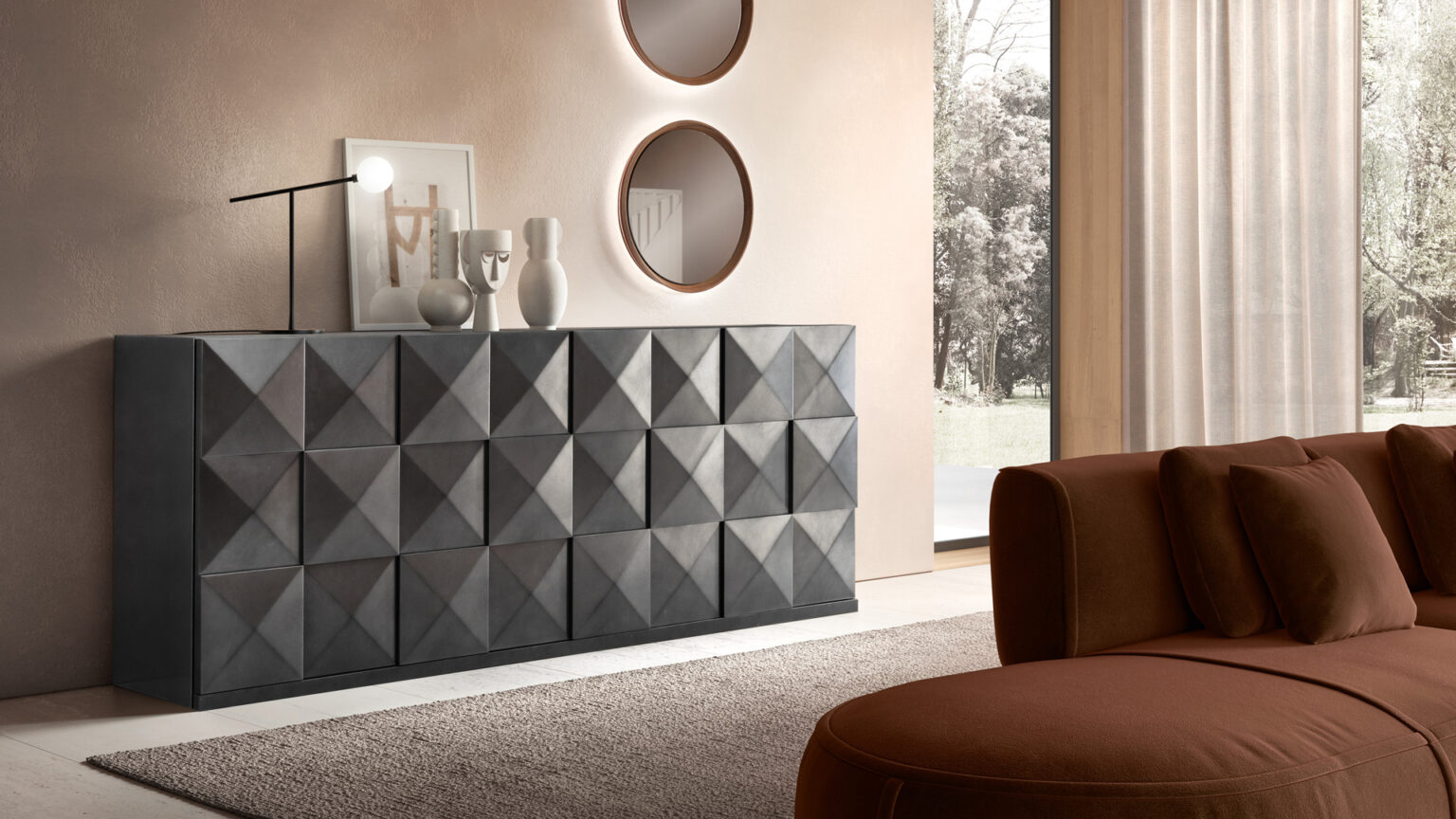
2025 marks the anniversary of Quadro, one of the most loved and versatile series of Capod’opera sideboards and cabinets. On this occasion, we interviewed Alessio Bassan, a designer from Thiene and creator of Quadro, who, since 1988, has been designing furniture, objects, and environments characterized by sophisticated and unconventional poetics, often anticipating the times and fashions.
-
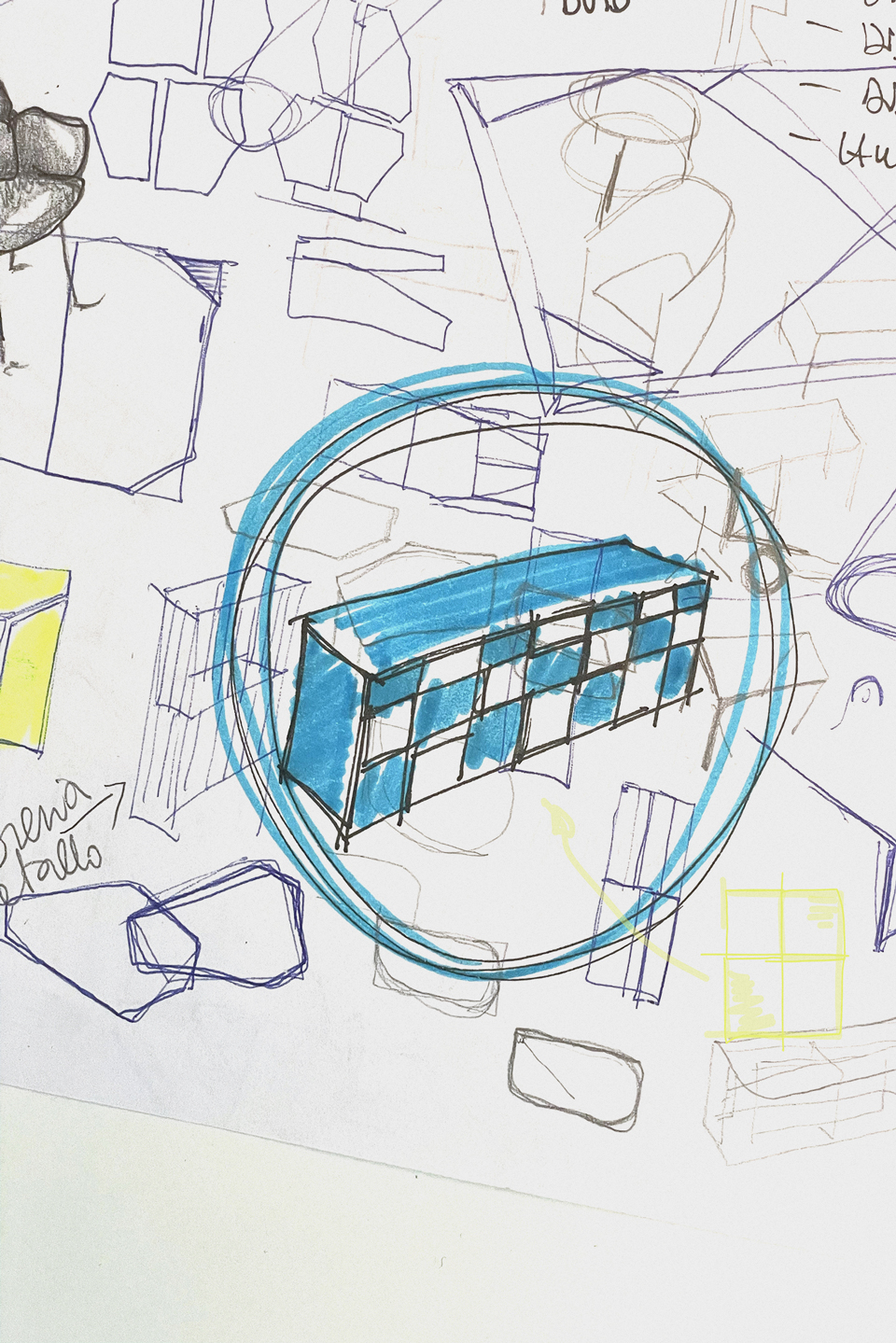 Original sketch by Alessio Bassan
 -
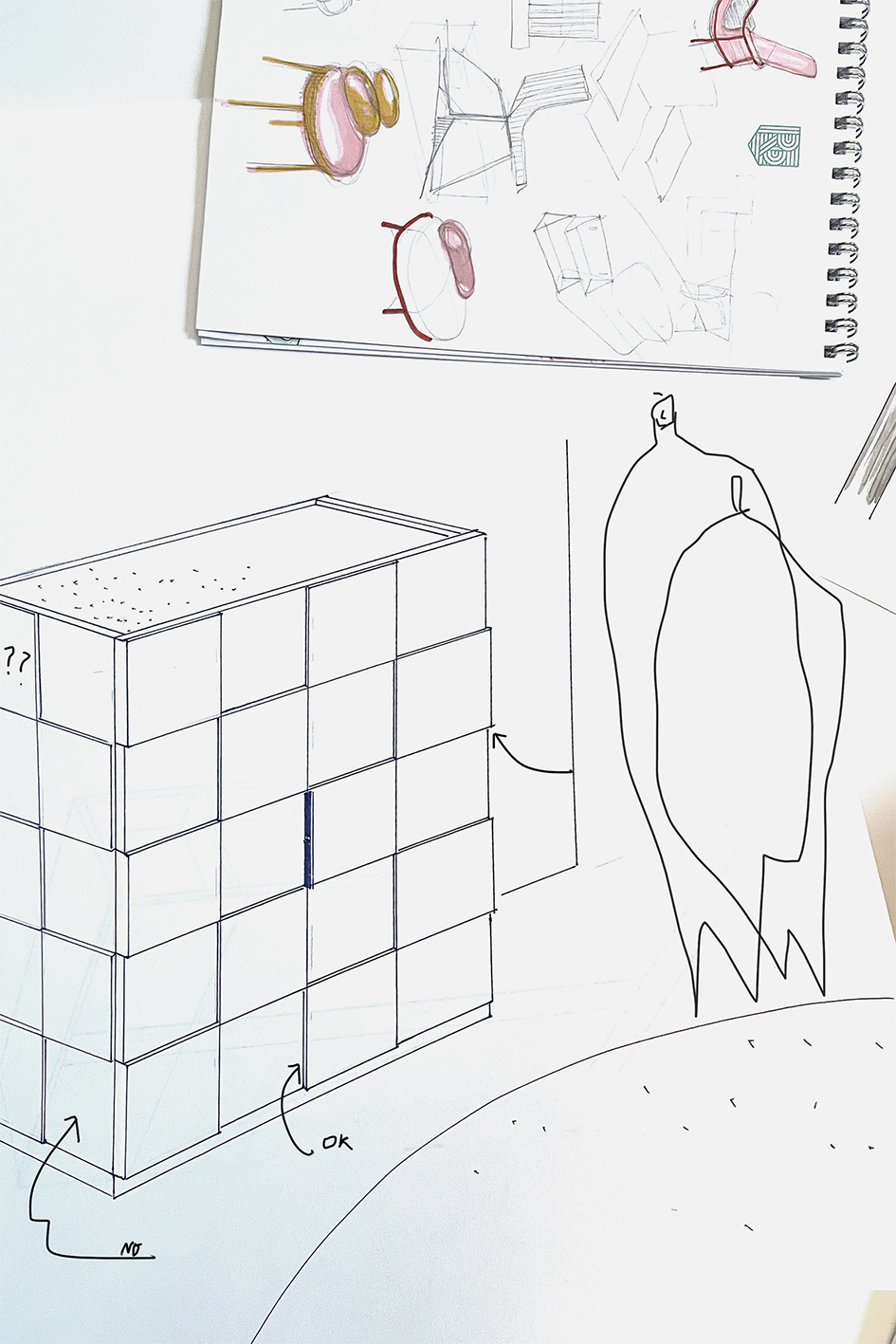 Original sketch by Alessio Bassan
 -
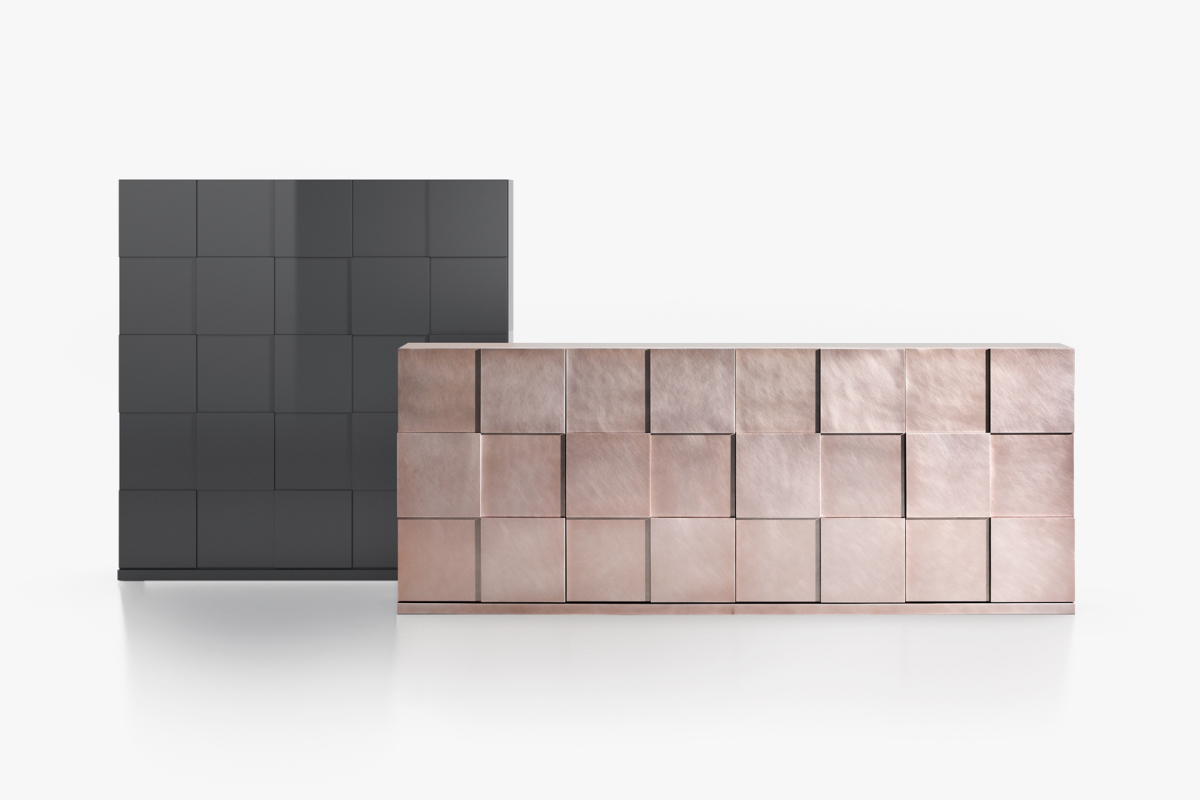 Quadro, Cabinets & Sideboards
 -
 Quadro, Cabinets & Sideboards
 -
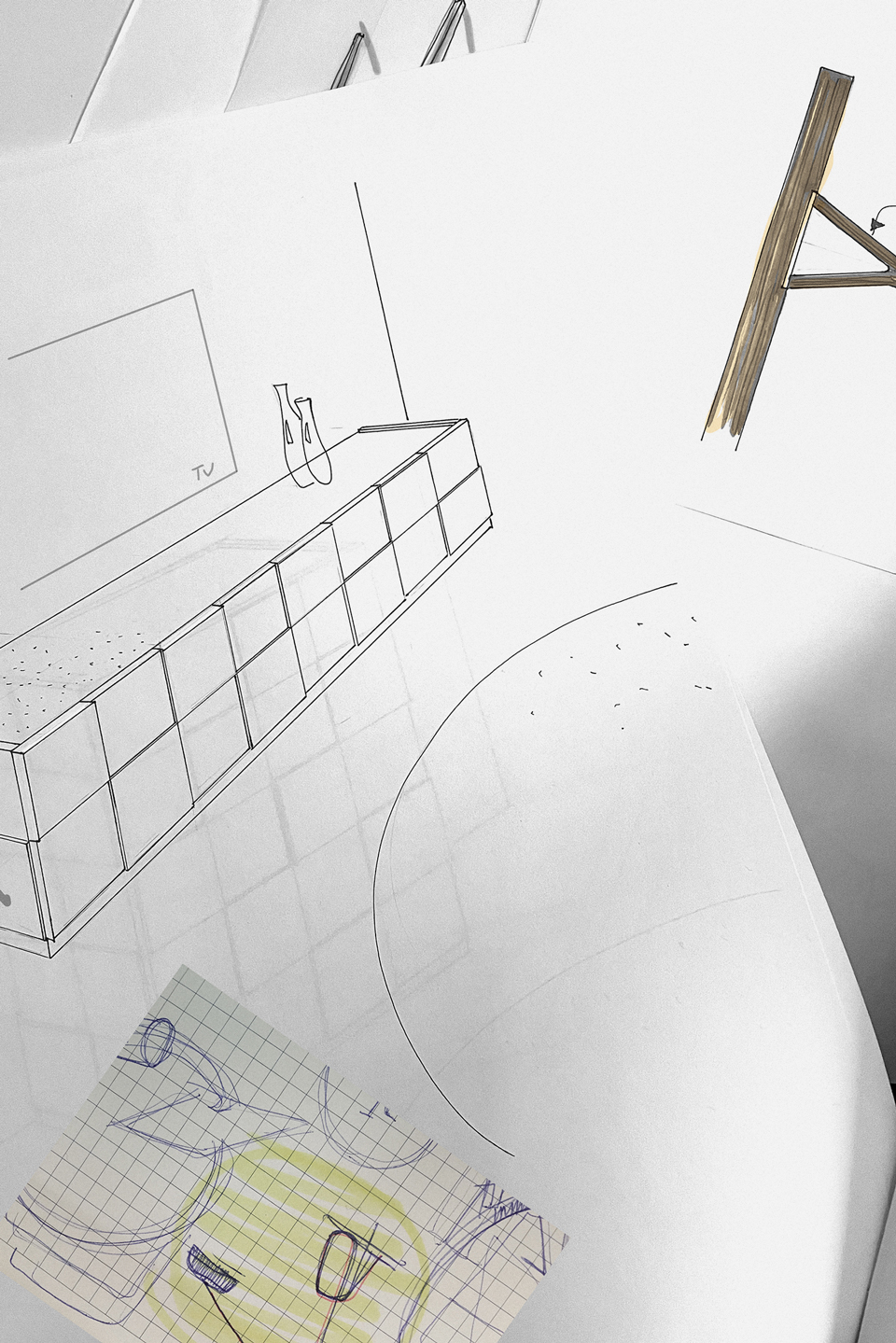 Original sketch by Alessio Bassan
Let’s start from the beginning: how did the collaboration with Capod’opera begin?
Silvano (Pierdonà, Capod’opera Founder) and I met in 1999. In that period, I presented to him and his team my first project for Capod’opera, the Privacy collection. From that moment on, the interaction and exchange of ideas became more intense and prolific, so much so that he was also involved in the graphic creation of the catalogs and the design of the stands at the fairs in Milan, Cologne, and Paris. It was a very engaging period; I found in Capod’opera a company that was open and eager to test its limits, with a positive tension towards the search for a distinctive identity, which the market recognized and confirmed. Then came Quadro.
How would you describe Quadro to those who don’t know it yet? What role do textures and finishes play? And what are your favorites?
The collection was born from the need to create containers with a three-dimensional surface while respecting precise and rigorous graphic canons. The use of square panels of two thicknesses, duly assembled, created a modular pattern that is as simple as it is powerful: an intuition that determined the collection’s success. Thus, a new language was born, allowing both simple and extreme interpretations and customizations: the freedom to use the decoration in one or more squares became a playful theme available to customers looking for new expressive moods.
The range of customization options in the texture and finishes catalog allows Quadro to be interpreted in an original and personal way. My favorites? I find the latest versions of Quadro in the Luxor variant with diamond effect and Metal finish fascinating. They can fit well into interior projects with refined creativity.
Quadro became an iconic product almost immediately. Did you expect this success during the initial design phases?
With Capod’opera, we understood the expressive power of the project from the very first prototypes. The square module and the rigor of the volumes are obsessions shared by most designers, so we were sure we were presenting a new product, which the market had not yet expressed.
Tell us about Quadro spaces and places. The ones you imagine placing it in, and those where you were surprised to meet Quadro.
I imagine Quadro in a rarefied, austere, minimal atmosphere, surrounded by works of art. Yes, in the basic, smooth, and shiny version, I would see it well placed in a contemporary art museum! In everyday life, it’s always a great pleasure to find it displayed in the windows of important showrooms, in the company of iconic pieces.
When thinking back to Quadro today, 20 years after its launch, what are your feelings? How do you interpret it? Do you imagine any future developments?
I feel great satisfaction in seeing that a project conceived twenty years ago is still chosen in contemporary homes. I guess this enduring appeal testifies to the positive value of personal and company work. Currently, we are focused on other new projects, but we repeatedly refresh Quadro with stylistic and finishing updates. Quadro is like a good classic song — it remains enjoyable and relevant, even with new arrangements.